If you're behind on your mortgage or worried about a foreclosure auction, you still may have options. The important thing is to understand where you are in the process and act before the clock runs out.
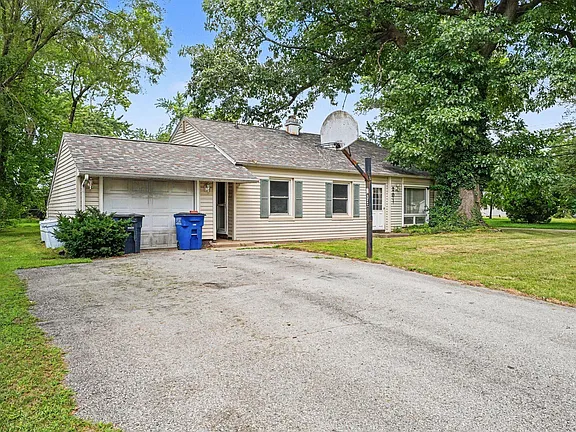
Foreclosure can make everything feel urgent at once — the missed payments, the letters, the phone calls, the possibility of losing your home, and the worry about what happens next.
But foreclosure is a process, not a single event. Depending on your state, your mortgage, and where you are in the process, there may still be different paths available.
Our goal with this page is simple: help you understand those paths and give you another option to consider if keeping the property is no longer realistic.
The exact timeline depends on your state and loan. These stages are meant to help you understand the general progression — not replace advice from your mortgage servicer, housing counselor, or attorney.
You have fallen behind and your lender or servicer may begin contacting you about the missed payments.
You may begin receiving formal notices. This is a critical time to contact your servicer and understand your available options.
Legal steps may begin depending on your state's foreclosure laws. Deadlines can become increasingly important.
The property may eventually be scheduled for a foreclosure sale. Your available options can become more limited as the sale date approaches.
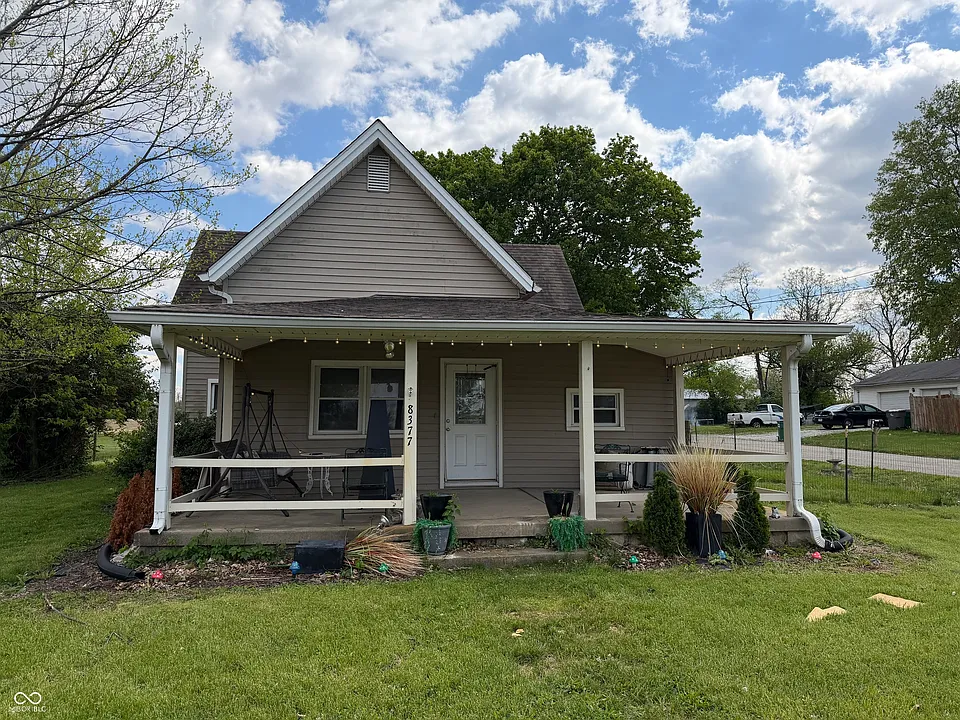
If you've reached the point where keeping the house is no longer financially possible, selling may be worth discussing before the property reaches an auction.
Before making a decision, make sure you understand your mortgage, your deadlines, and the alternatives available to you.
Contact your servicer as soon as you know you may have trouble making your payments. Ask what loss-mitigation options may be available and what deadlines apply to your loan.
HUD: Contact Your Lender →HUD-approved housing counselors can help homeowners understand foreclosure-prevention options and communicate with their mortgage servicer.
HUD Housing Counseling →A short sale can sometimes be used as an alternative to foreclosure when a homeowner owes more than the property is worth. Servicer approval is required.
CFPB: What Is a Short Sale? →Foreclosure laws and timelines vary by state. Understanding where you are in the process can help you identify deadlines before they pass.
CFPB: Foreclosure Timeline →Be cautious of anyone who guarantees they can stop your foreclosure, asks for large upfront fees, tells you to stop paying your mortgage, or asks you to sign over ownership of your home. If you are facing legal action, consider speaking with a qualified attorney.
CFPB: Mortgage Payment Options & Scam Warnings →
M&G Property Brothers buys houses directly. If you decide that selling is the right option for your situation, we can evaluate the property and make you a cash offer.
If you're considering selling your home before foreclosure, tell us about the property. We'll take a look, explain what we can offer, and let you decide whether it makes sense for you.
M&G Property Brothers is a real estate investment company and is not a law firm, mortgage servicer, credit counselor, tax advisor, or financial advisor. Information on this page is for general educational purposes only and does not constitute legal, financial, tax, mortgage, or credit advice. Foreclosure laws, timelines, lender requirements, and potential consequences vary by state and individual circumstances. Consult your mortgage servicer, a HUD-approved housing counselor, and/or a qualified attorney or other professional regarding your specific situation.
