Thinking about selling a house or investment property in central Dallas? You may own a single-family home, a rental, a duplex, or a property that needs work. Understanding your options can help you choose a selling plan that fits your goals and the property's condition.
Dallas has a wide mix of urban neighborhoods, established residential streets, apartments, and multifamily buildings. Areas such as Uptown, Oak Lawn, and East Dallas each have their own character, housing styles, and access to jobs, dining, parks, and local services.
M&G Property Brothers works with property owners who want to explore a direct sale. Tell us about your property, review any proposed terms, and decide whether this approach fits your situation.
Get Your OfferExplore a direct-sale option for your Dallas property.
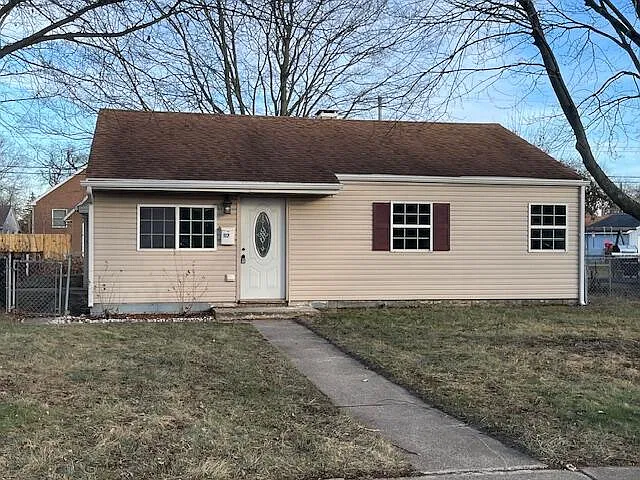
Every property has its own features, condition, and selling options.
Central Dallas includes neighborhoods with different housing types, price ranges, and buyer groups. Uptown has a strong urban feel and access to offices, restaurants, and entertainment. Oak Lawn includes a mix of residential streets, apartments, and nearby commercial areas. East Dallas features established neighborhoods and a variety of homes, including older properties with distinct layouts and features.
These areas can appeal to people who want to live near work, transit, restaurants, parks, or other city amenities. Demand also varies by property type. A renovated home, an older house that needs repairs, a tenant-occupied rental, and a small multifamily building may each attract different buyers.
Dallas has a large rental market, and many residents rent rather than own their homes. That creates opportunities for property owners to consider rental housing, but it also means investors compare operating costs, location, condition, and expected income carefully. A high-demand area does not guarantee a certain rent, occupancy level, sale price, or investment return.
Owners of older homes may need to consider roofs, plumbing, electrical systems, foundations, and other maintenance issues. For multifamily properties, buyers may also review leases, rent records, tenant arrangements, common areas, insurance, and building systems. The paperwork and condition of the property can affect how a buyer evaluates it.
Before selling, consider the difference between the price you hope to receive and the amount you may keep after expenses. Mortgage payoff amounts, property taxes, repairs, agent commissions, title costs, liens, and other charges can affect your proceeds. Rental owners should also review any leases and obligations that may continue after a sale.
A traditional listing may expose your property to a broad pool of buyers. Preparing the property first may help with presentation, but repairs take time and money. A direct offer provides another route to compare. Review the proposed price, conditions, closing date, and responsibilities before deciding which approach works for you.
The right selling method depends on the property, your timeline, and the amount of work you want to take on. A single-family home and a multifamily investment property may need different plans. Here are three common approaches to consider.
A traditional listing can help you reach buyers searching in Dallas. An agent can assist with pricing, marketing, showings, offer review, and negotiations. For certain homes, cleaning, staging, repairs, or updated photos may help present the property to buyers.
For rental and multifamily properties, buyers may ask for leases, rent records, expense details, and information about the building. Consider agent commissions, closing costs, preparation expenses, and the time required to manage showings and offers. Your final price and timeline will depend on market conditions and the terms you accept.
Some owners prefer to address maintenance or update the property before listing it. Work could include painting, flooring, landscaping, roof repairs, or improvements to older systems. For multifamily buildings, you may also need to consider shared spaces and building-wide maintenance.
Request estimates and decide which projects are practical for your budget and timeline. Improvements may help with presentation, but they do not guarantee a higher price or faster sale. Keep records of completed work and relevant permits where applicable.
A direct buyer may consider a property in its current condition. Depending on the home and agreement, this route may reduce the need to prepare for public showings or complete repairs before the sale.
If you own a rental or multifamily property, share relevant details about occupancy, leases, and the building's condition. Review the proposed price, conditions, closing terms, and transaction costs. A direct offer may suit some owners, but compare it with other options before deciding.
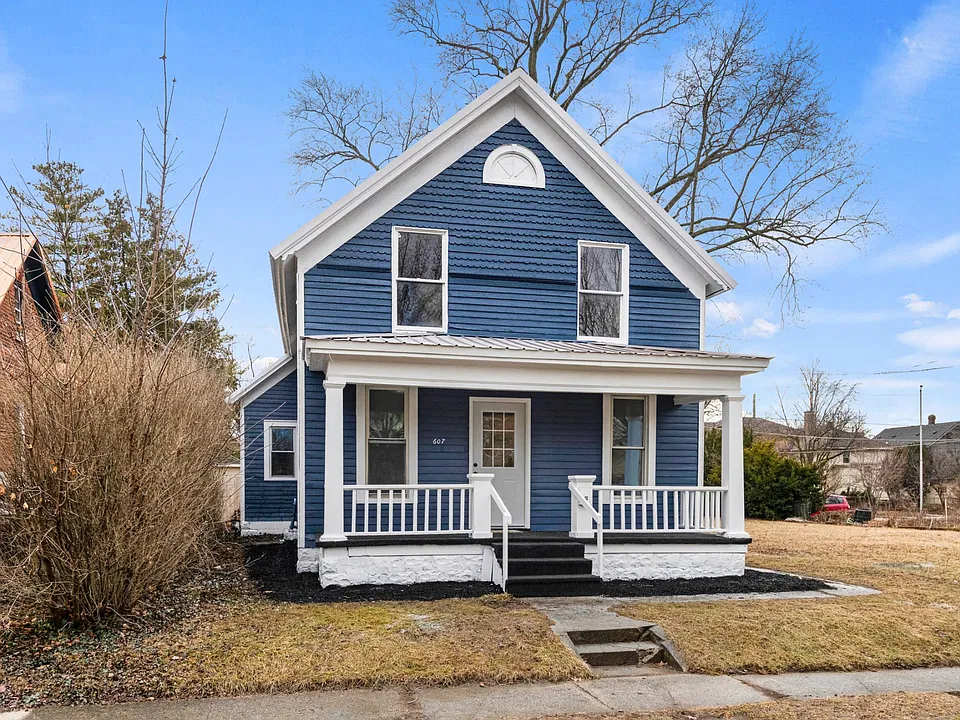
A direct sale may be worth exploring for a property that needs work.
Yes. You can explore selling a property in its current condition. This may be useful if your home has dated finishes, worn flooring, an aging roof, older mechanical systems, or other maintenance needs that you do not want to manage before moving.
Owners of rental homes and multifamily buildings may also have to balance repairs with tenant needs and ongoing operating costs. You can compare the cost and time of preparing the property with the terms of a direct offer. The best choice depends on the property and your priorities.
Share accurate information about known issues, occupancy, leases, and the property's general condition. A buyer may need to review the property or inspect it before confirming an offer. Make sure the agreement explains what is included and which repairs or other responsibilities, if any, each party will handle.
Review your mortgage payoff, property taxes, HOA balances, liens, and other obligations that may affect closing. For a rental or multifamily property, review lease terms, deposits, and any tenant-related duties. A title company can help identify requirements for transferring ownership and completing the transaction.
M&G Property Brothers can review the information you provide and discuss whether a direct offer may fit your situation. You can then compare the proposed terms with a traditional listing or other available options.
Get Your OfferProperty owners sell for many reasons. You may be changing homes, managing an inherited property, selling a rental, or moving on from a building that needs attention. A direct sale may be worth comparing with a traditional listing when you want to understand another option for your situation.
A new job, family change, or move to another home can make timing important. Consider your moving schedule alongside the time needed to prepare, list, show, and close on the property.
Rental ownership involves tenant communication, maintenance, vacancies, insurance, and other expenses. If you are ready to sell, review the leases, deposits, property condition, and obligations that may continue through closing.
Duplexes and other multifamily properties may involve several leases, shared systems, and ongoing operating costs. Organize relevant records and compare the terms available for the building before making a decision.
Roof problems, aging systems, worn finishes, or deferred maintenance can make preparation more involved. Compare repair estimates with the terms of an offer for the property in its current condition.
An inherited property can involve paperwork, family decisions, and ongoing upkeep. Confirm who has authority to sell and make sure the people involved understand the available options before signing an agreement.
You may want to simplify your finances, settle an estate, or move on from a property that no longer fits your plans. Review likely proceeds, costs, and contract terms before choosing your next step.
Our goal is to help property owners understand a proposed direct-sale option and decide whether it fits their needs. The exact steps depend on the property and transaction, but the process generally follows these stages.
Share the property's location, type, general condition, and occupancy. If it is a rental or multifamily building, information about leases, repairs, and other relevant details can help us understand the property.
We review the information provided and determine whether the property fits our buying criteria. If an offer is made, review the price, conditions, closing date, and any costs or responsibilities involved.
Compare the proposed terms with other selling routes and decide whether you want to proceed. If you accept, the parties work through the agreement, title review, and closing requirements.
A direct cash offer is one option to compare, and it may not suit every property owner. Read the agreement carefully, ask questions, and seek independent professional advice when needed. Make sure you understand the terms before signing.
Selling a home or investment property can involve important decisions, paperwork, and scheduling. Clear communication can help owners understand the steps and know what to expect throughout a transaction.
Reviews from past customers offer insight into their own experiences. Each property and sale is different, so ask questions and review the terms for your situation before choosing a selling route.
See What Our Customers Are Saying
“M&G Property Brothers were fantastic to work with. Very knowledgeable and easy to communicate with. Closing on the property was actually sooner than expected. And was the easiest process of selling a property I have ever experienced.”
— Tod Jones
Read Tod's original Google reviewThese answers cover common questions from homeowners and investment property owners considering a direct sale. Your options depend on the property, ownership details, and terms of any proposed agreement.
You can list your property with a real estate agent, prepare it for sale yourself, or explore a direct offer from a buyer. Compare the likely costs, time involved, sale conditions, and expected proceeds before choosing a route.
You can explore an as-is sale. Some buyers consider properties that need repairs, but the property's condition can affect the offers and terms available. Share known issues and review the agreement carefully.
A buyer may consider the location, property type, condition, comparable sales, estimated repair costs, and other expenses involved in owning or reselling the property. Buyers use different criteria, so compare the offer with other available options.
It may be possible, depending on the leases, applicable requirements, and buyer. Review tenant rights, lease terms, deposits, notice requirements, and obligations that may continue after the sale before making plans.
No. Rental results depend on the property's location, rent, condition, operating costs, vacancies, competition, and wider market conditions. Rental income, occupancy, and investment returns are never guaranteed.
Your mortgage payoff, property taxes, liens, HOA balances, title charges, agent commissions, repairs, and other transaction costs may affect the amount you receive. Ask for the terms in writing and confirm the expected closing figures with the closing professional.
No. You can review an offer, ask questions, compare other options, and decide whether it suits your needs. Read the contract carefully before signing and consider professional advice if any terms are unclear.
Whether you own a single-family home, a rental, or a multifamily property, start by sharing a few details about your situation. M&G Property Brothers can review the information and help you explore whether a direct offer fits your plans.
Get Your Offer See What Our Customers Are SayingM&G Property Brothers is a real estate investment company, not a real estate agency. Offers and terms depend on the individual property and transaction. Selling options, costs, and closing timelines vary. Local housing and rental demand do not guarantee future property values, rental income, or investment returns.
