Call / Text: 469-567-9391

Bankruptcy & Debt Relief

Your Home May Be an Asset You Can Work With.

When debt becomes overwhelming, real estate can sometimes be part of the solution. If you're considering bankruptcy, already in a case, or need to liquidate a property to address financial obligations, a direct sale may be worth discussing with your bankruptcy professionals.

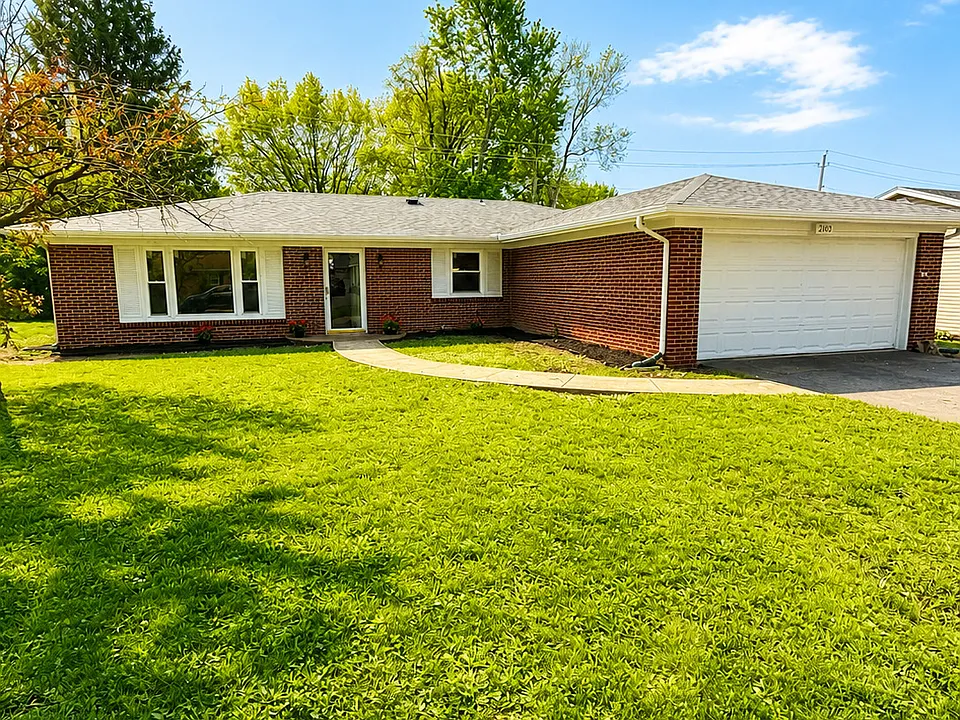
Residential property
Debt doesn't have to define what comes next. Understanding the value of your property may help you and your professionals evaluate the available paths.
Start With the Bigger Picture

Bankruptcy can feel like everything is happening at once.

Bills, creditors, missed payments, legal paperwork, mortgage obligations, and the uncertainty about what happens to your property can make an already difficult situation feel impossible to organize.

But your house is still an asset with a value. Depending on your equity, liens, exemptions, bankruptcy chapter, and the status of your case, that value may need to be considered as part of your overall financial picture.

If selling the property becomes part of your plan, M&G Property Brothers can provide a cash offer for consideration. Your attorney and bankruptcy trustee can help determine whether and how a sale can move forward.

Why Your Property May Matter During Financial Hardship

Real estate can play different roles depending on your financial situation and bankruptcy case. Here are some common reasons a homeowner may consider selling.

01

There May Be Equity in the Property

If your home's value exceeds the mortgage and other liens, available equity may be an important part of understanding your financial position.

02

You Need to Liquidate an Asset

Depending on your bankruptcy case and applicable exemptions, property may need to be evaluated or liquidated as part of the administration of the bankruptcy estate.

03

You Need Cash for Financial Obligations

Proceeds from a permitted sale may potentially be used according to your legal and financial arrangements to address debts, liens, mortgage obligations, or other expenses.

04

The Property Has Become a Burden

If maintaining the property has become difficult, selling may be one option to discuss with your attorney and other professionals as you determine your next steps.

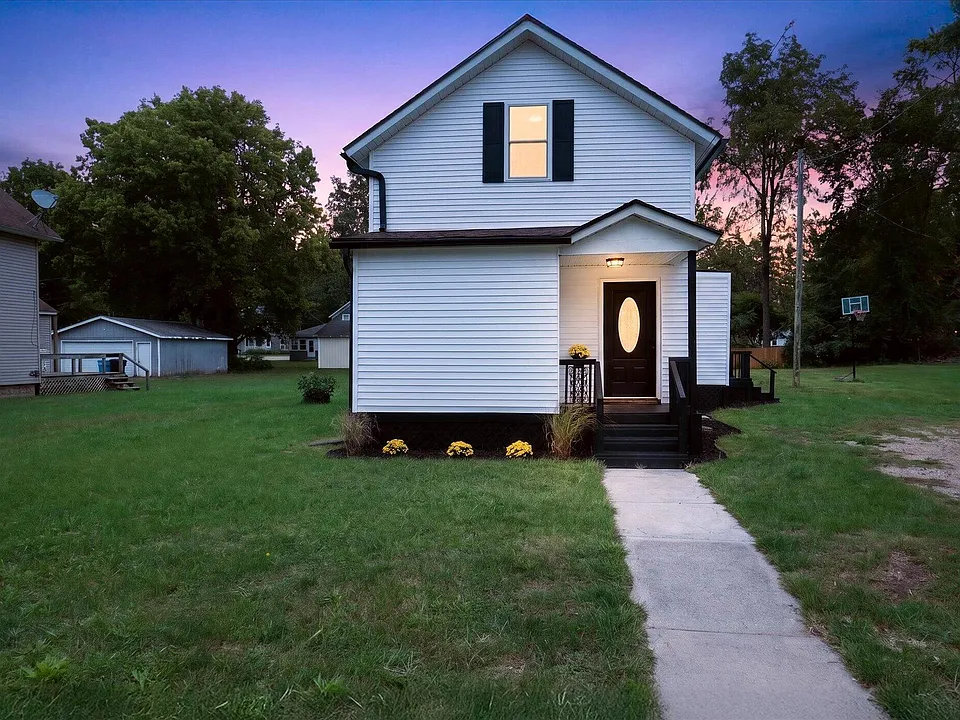
Residential property that could be considered for a sale

You Don't Have to Guess What the Property Is Worth.

If you're trying to understand whether selling your home could make sense, one useful starting point is knowing what the property may realistically sell for.

M&G Property Brothers can evaluate the property and provide a cash offer. That gives you a number to take back to your attorney, trustee, or other financial professionals as you evaluate your options.

An offer is simply information until you decide what to do with it.

Know the value. Understand the obligations. Then make the decision with the right professionals involved.

Chapter 7 and Chapter 13 Can Treat Property Differently

The bankruptcy chapter you're in matters. These are broad descriptions, not instructions for your individual case.

Chapter 7

Liquidation

Chapter 7 is the Bankruptcy Code's liquidation chapter. A trustee administers the bankruptcy estate and may sell non-exempt property to generate funds for creditors.

  • Non-exempt property may be subject to liquidation.
  • Exemptions can affect what property a debtor may keep.
  • Liens and mortgages can affect the property's available equity.
  • The trustee administers qualifying assets for the benefit of creditors.
If your property is part of the bankruptcy estate, do not assume that you can sell or transfer it independently. Speak with your bankruptcy attorney and trustee first.
Chapter 13

Repayment Plan

Chapter 13 generally allows eligible individuals with regular income to keep property while making payments under a court-approved repayment plan.

  • A repayment plan is submitted for court approval.
  • The trustee collects payments and distributes them according to the plan.
  • A property sale during the case may require court or trustee involvement.
  • The sale must be evaluated alongside the terms of the bankruptcy case.
If you're already in Chapter 13, speak with your bankruptcy attorney or trustee before entering into a contract to sell the property.
Home being evaluated for a potential sale

The Goal Is to Make the Real Estate Part Easier to Understand.

M&G handles the real estate side. Your attorney and bankruptcy professionals handle the legal and court side. Keeping those roles clear can make the process easier to navigate.

✓
We evaluate the property. We'll look at the home and determine what we may be able to offer.
✓
We provide a cash offer. You can take the number to your attorney or trustee for review.
✓
You review the offer. There is no obligation to accept an offer simply because you requested one.
✓
The appropriate professionals coordinate the next step. Any required court, trustee, lender, or title requirements can be addressed before closing.

What a Property Sale Can Look Like

If your attorney and trustee determine that a sale is permitted and appropriate, M&G can work through the real estate transaction with the necessary parties.

01

Tell Us About the Property

Give us the property information so we can understand what you're working with.

02

We Evaluate the Home

We'll review the property and determine what kind of cash offer we can make.

03

Review It With Your Team

Take the offer to your bankruptcy attorney, trustee, lender, or other appropriate professional for review.

04

Close When Approved

If the transaction is authorized and everyone is ready, the sale can proceed through the appropriate closing process.

Before You Sell a Property During Bankruptcy

A bankruptcy-related property sale involves more than agreeing on a price. Make sure the transaction is handled correctly.

Talk to Your Bankruptcy Attorney

Your attorney can explain whether selling the property fits your case and what approvals, notices, or procedures may apply.

Know Whether the Property Is Part of the Estate

Bankruptcy can affect ownership and control of property. Don't assume that you can independently sell a property simply because your name appears on the deed.

Understand Your Liens and Mortgage

Mortgages, liens, and other claims can affect the amount of equity available from a sale and how closing proceeds are distributed.

Don't Move Money Without Advice

Proceeds from a bankruptcy-related property sale may be subject to specific requirements. Ask your attorney or trustee how proceeds should be handled.

M&G Is the Buyer — Not Your Bankruptcy Advisor.

M&G Property Brothers can evaluate your property and make a cash purchase offer, but we do not provide bankruptcy, legal, tax, financial, or credit advice. We do not determine whether a property should be sold, whether an asset is exempt, how creditors should be paid, or whether a transaction satisfies a court requirement. Those decisions should be made with your bankruptcy attorney and trustee.

Find Out What Your Property Could Be Worth.

If you're considering selling a property because of debt or bankruptcy, M&G Property Brothers can evaluate the home and provide a cash offer for you and your professionals to review.

No obligation to accept an offer.

M&G Property Brothers is a real estate investment company and is not a bankruptcy attorney, law firm, bankruptcy trustee, mortgage servicer, tax advisor, financial advisor, or credit counselor. Information on this page is for general educational purposes only and does not constitute legal, bankruptcy, financial, tax, mortgage, or credit advice. Bankruptcy laws, exemptions, procedures, court requirements, trustee authority, liens, and treatment of property vary according to individual circumstances and applicable law. If you are considering bankruptcy or are already involved in a bankruptcy case, consult your bankruptcy attorney and trustee before selling, transferring, or otherwise disposing of property.